

The enduring appeal of antiques
The enduring appeal of antiques
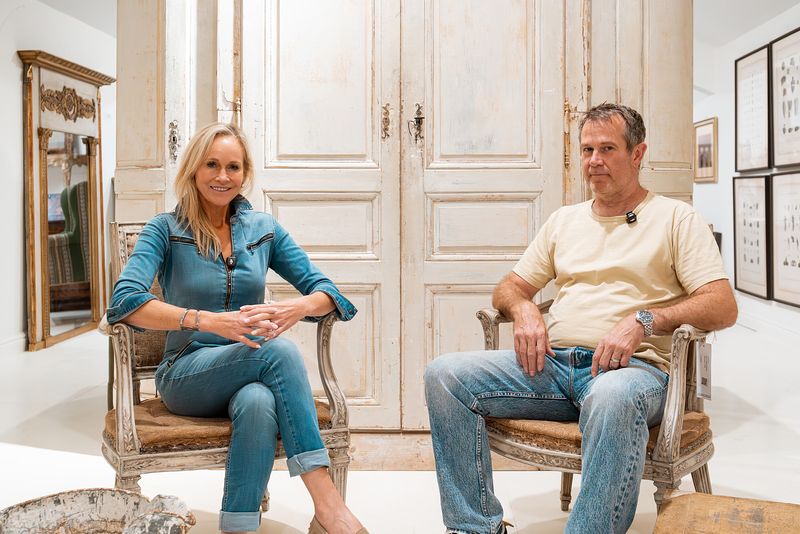
Lorfords bring history, character and soul to our Decorex 26 stand. Here founder Toby Lorford reflects on the beauty of old and new, living with antiques and why enduring design will always have a place...
What do you think makes Lorfords and Soho Lighting such a natural fit for Decorex?
Neither of us believes in prescribed interiors, and that's really the heart of it. Soho Lighting make things beautifully for the way people live now, and at Lorfords we're forever chasing pieces with character, craft and a bit of history behind them. Put those two instincts side by side and you get exactly the kind of tension that makes a room worth looking at twice.
Decorex is also, at its core, about the design community, and that matters enormously to us. Most of what we do is with interior designers, so it's a rare chance to show antiques as part of a living, contemporary scheme rather than roped off in isolation. That's how they should always be seen, frankly.
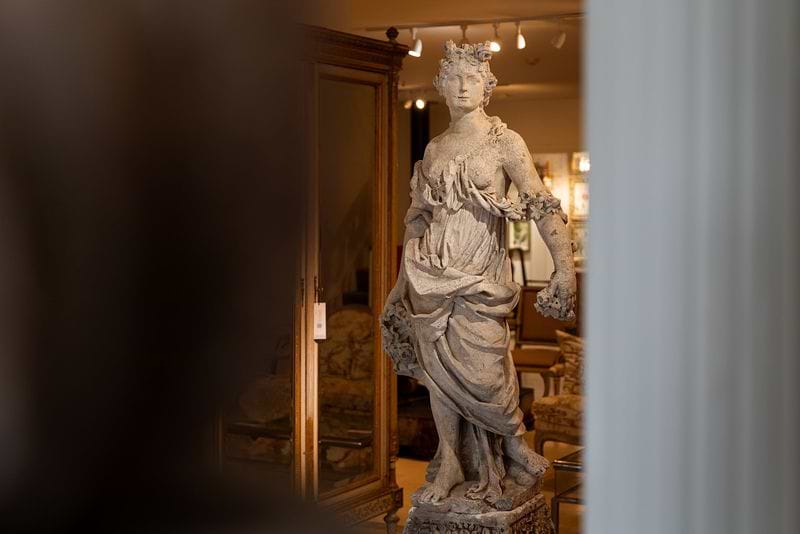
“The most sustainable piece, really, is simply the one you can’t bear to throw away”
Toby Lorford
Both brands place great value on craftsmanship, quality and longevity. Why do you think these qualities are increasingly important in the way we design our homes?
People are getting far more discerning about what they let into their homes, and not before time. We've had two decades of obsessing over immediacy and newness, but good interiors were never built in an afternoon.
I've always believed in buying fewer, better things and letting a room earn its shape over years. When something is beautifully made, whether it's a century and a half old or finished last week, you feel it. The weight, the materials, the detail, the hand behind it. That's what stays interesting long after the thrill of the purchase has worn off.
That's really what longevity comes down to for me: has this object got enough about it to keep earning its place?
Our Decorex stand was centred around the idea of blending old and new. What do antiques bring to a contemporary interior that newly made pieces sometimes cannot?
Time.
You simply cannot manufacture it overnight. The surface has shifted, the colour has mellowed, it's likely been repaired or adapted or lived with differently by whoever owned it before you. That accumulation is what gives an object its character.
None of which means antiques belong in traditionally decorated rooms. Quite the opposite. Some of the most exciting interiors we place pieces into now are properly contemporary. Sit an eighteenth-century commode against a beautifully plain wall, or an old table under contemporary lighting, and suddenly you see both pieces differently.
That friction between periods is often exactly what gives a room its personality. I'll take that over everything matching any day.
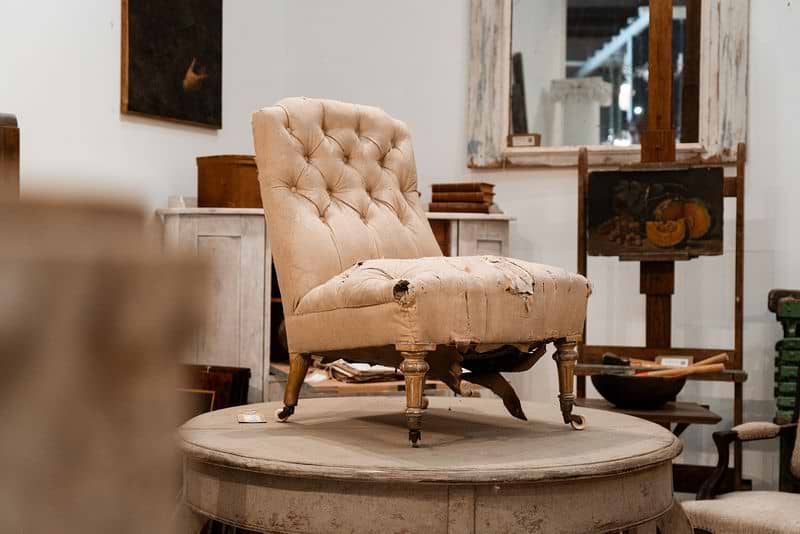
Sustainability is an important part of both our stories. What role do antiques and vintage pieces have to play in creating a more considered, sustainable home?
The wonderful thing about an antique is that it's already proved itself. It has survived.
At Lorfords we have pieces that have been used, moved, repaired and loved for generations, and they're still very much good for another life. There's something quietly optimistic in that.
There's an obvious environmental case for reusing what already exists, but I think there's a bigger cultural one too. We shouldn't assume replacing something is automatically better than repairing it, or that new equals valuable. If a piece has survived a hundred or two hundred years because it was well made and people kept finding it useful or beautiful, that tells you something worth listening to.
The most sustainable piece, really, is simply the one you can't bear to throw away.
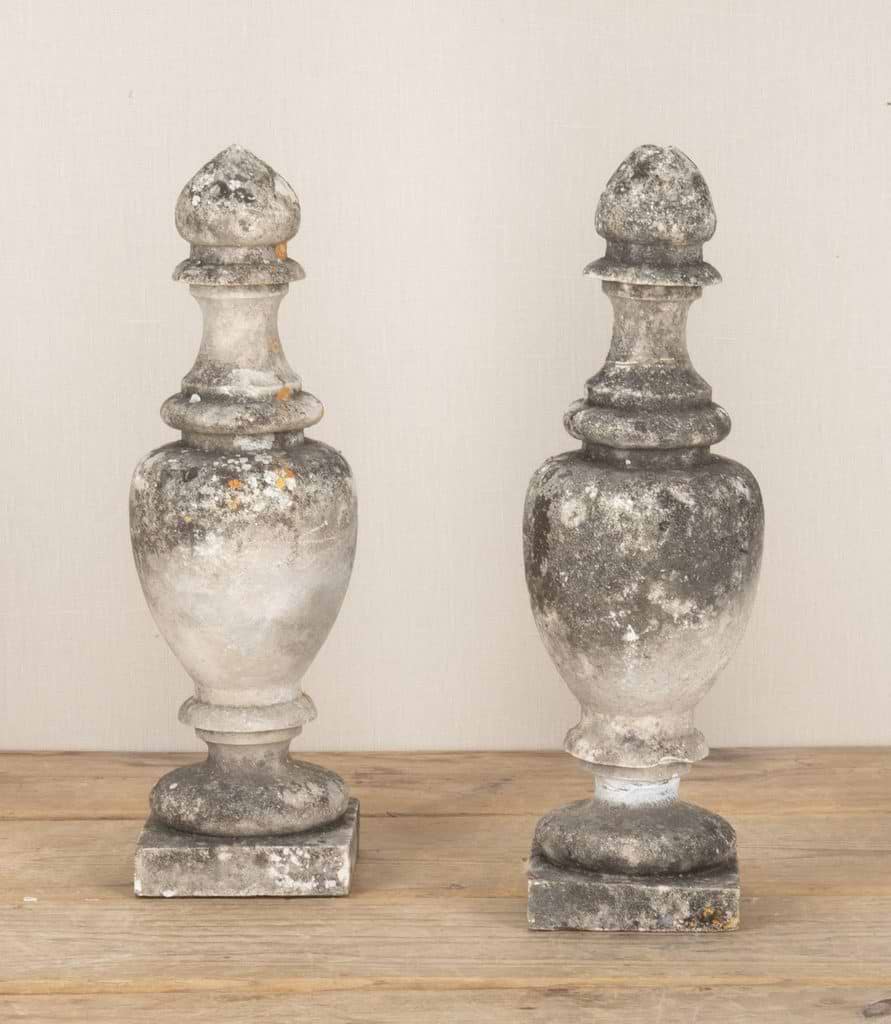
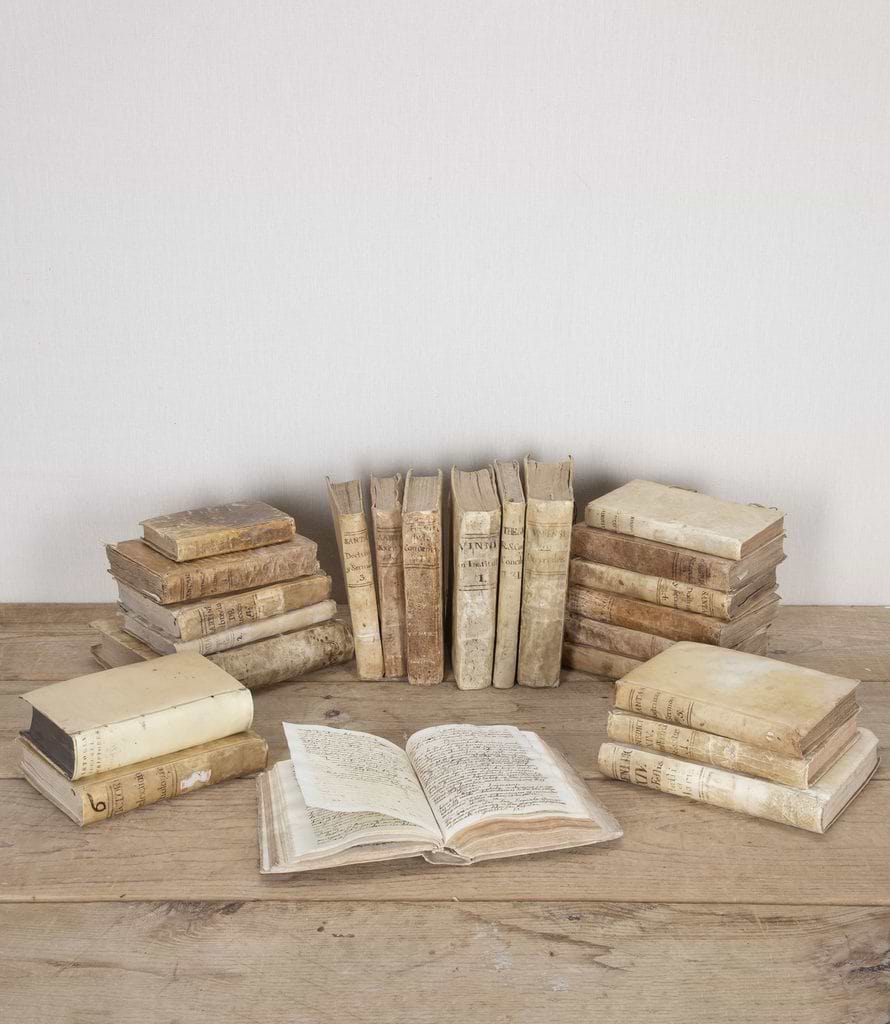
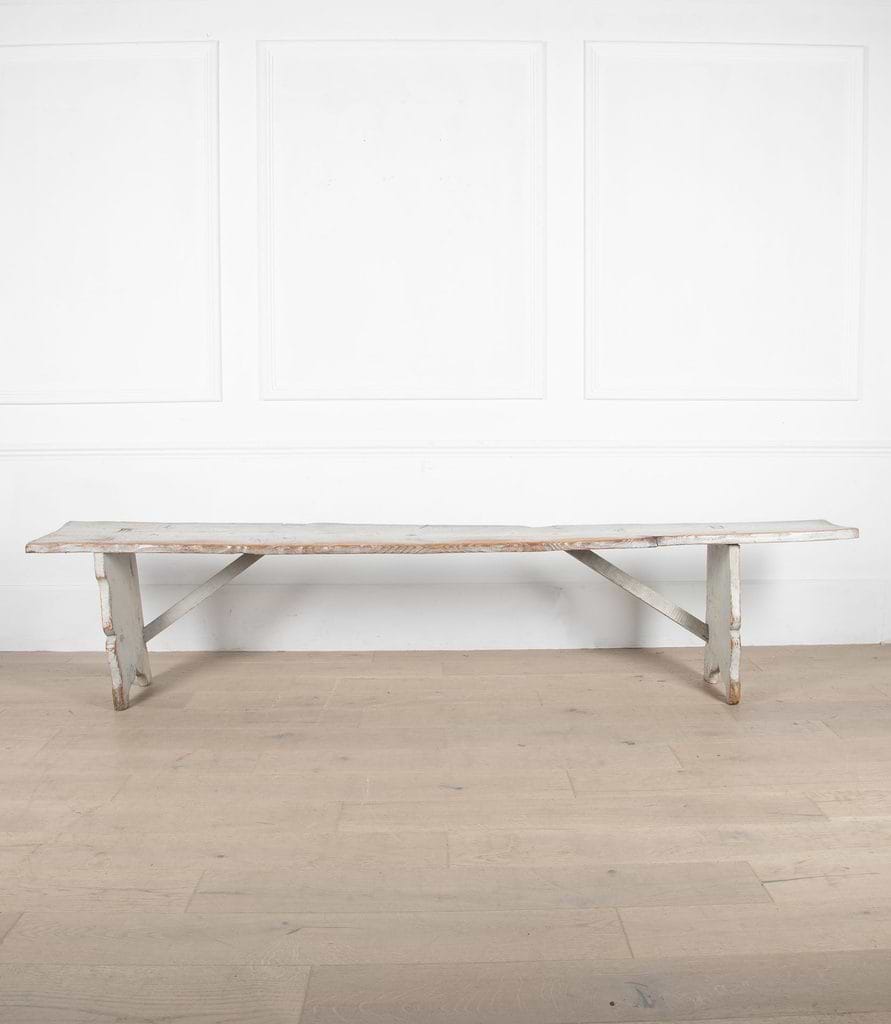
There is something particularly special about objects and materials that become more beautiful with age. Why do you think we are drawn to pieces that carry a sense of history and patina?
Because perfection is rather dull, isn't it.
Patina is proof of a life lived. A worn chair arm, the softened edge of a table, layers of old paint, they tell you the object existed long before you ever found it. You can't fake that convincingly, and I think we all recognise the difference instinctively, even if we couldn't explain why.
When I'm buying, pristine conditions are rarely what I'm after. I want character, proportion, originality, something that stops me in my tracks. More often than not, it's the imperfection that makes a piece irresistible.
After more than twenty years of doing this, I still get that same jolt seeing something across a room and needing to know its story. That's the whole thrill of it. You never stop looking.
Finally, what are you most looking forward to about seeing Lorfords pieces within the Soho Lighting stand at Decorex?
Seeing them out of our world and into somebody else's.
We spend our days surrounded by thousands of extraordinary objects at the Hangars in Tetbury, but a piece changes entirely once it's placed in a different context. Something you'd walk straight past here suddenly becomes the thing everyone in the room notices.
I'm looking forward to seeing what happens when our antiques meet Soho Lighting's very contemporary take on light, material and atmosphere. I hope people wander onto the stand and don't immediately clock "that's the antique, that's the new piece." The best rooms have never worked that way.
They should just think: I want to live with this.