

Five minutes with...
Five minutes with...
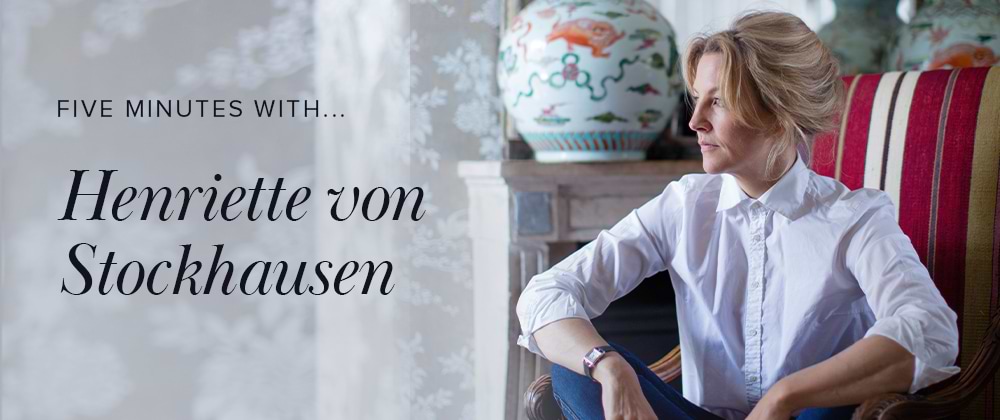
We chatted to the acclaimed interior designer and creative director of VSP Interiors about the power of lighting...
How do you approach lighting as a design element rather than just a functional necessity?
For me, lighting is as important as the architecture, furniture, and fabrics. In a large country house, it sets the entire mood - it can make a room feel intimate despite grand proportions or, conversely, highlight beautiful details like aged panelling or a much-loved painting. I always think of lighting as layers: task, ambient and accent, but also as a way of bringing soul into a space. A lamp with a shade in an antique faded fabric and trim, or an antique chandelier with a living brass finish that has gently aged over time, immediately gives depth and a sense of history.
What are the most common lighting mistakes you see in residential interiors and how can they be avoided?
One of the biggest mistakes is relying only on ceiling spotlights or only on source of light spots create glare and strip a room of its atmosphere. The same goes for one single pendant in a room, which gives a gloomy depressing feel. Equally, placing all lighting on one circuit makes it impossible to shift the mood. In a home, particularly a country house where rooms are often used for different purposes, flexibility is everything. My advice is to layer, dim wherever possible, and never underestimate the beauty of many table lamps and standard lamps together with picture and wall light! They add softness, character, and, when chosen well, can feel like objects of art.
Can you share a project where lighting completely transformed the space – and what made it so effective?
I recently worked on a large drawing room in a Georgian country house. The scale was vast and challenging, but rather than relying on one central chandelier as they had before we started, we created pools of light throughout with lots of different antique table lamps, wall sconces with beautiful antique fabric shades and picture lights all on dimmers and separate circuits. We also added some indirect mini spots behind objects on shelves to create depth and interesting shadows which made the room flexible and welcoming at any time of day, whether for reading quietly in a corner or hosting a lively evening gathering. I always love to add reading standard lamps by the chairs or sofas. The effect was transformative, what could have felt vast and cold became warm, layered, and inviting.
How do you balance aesthetics with technical requirements, like IP ratings or energy efficiency, especially in bathrooms and kitchens?
It’s about finding solutions that don’t compromise the overall feel. For bathrooms, I still want lighting to feel atmospheric, so I’ll source fittings with the right IP rating that also have a sense of timelessness and craftsmanship and add softer shades to them, or I use antique fittings that we have custom re wired by our specialists. Kitchens are more technical, of course, but even there I avoid anything too clinical. I’d rather bring in antique pendants with beautiful finishes that will mellow over time, combined with discreet indirect task lighting or lighting within glades units. I particularly adore table lamps in kitchens whether on the island or the counter it helps make the room feel like a living space rather than just utilitarian.
What lighting trends are you most excited about right now?
I’m less interested in fleeting trends and more in what endures. I love the move towards “living finishes”, materials that age gracefully and tell a story. Many collections now offer solid brass that patinates over time, which feels very much in keeping with my approach to interiors. The Palaces Collection is a wonderful example, the designs have a timeless elegance, and because they develop character with age, they sit beautifully in country houses where history and lived-in charm are essential.